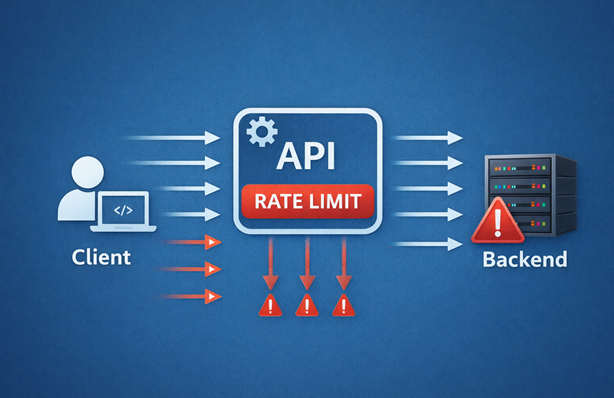
Learn how to use Azure API Management’s rate-limit and rate-limit-by-key policies to protect backends from overwhelming traffic and fairly distribute capacity among clients. Includes practical examples, monitoring guidance and key considerations for different scenarios.
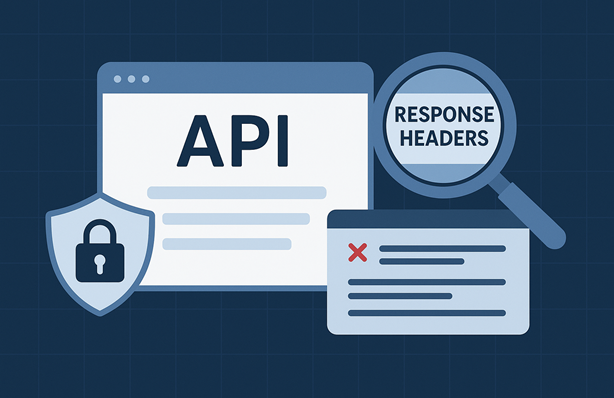
By default, Azure API Management returns all headers from the backend to the client, which may include sensitive information. This post demonstrates three approaches to sanitizing response headers: explicit removal, allowlist-based filtering and blocklist-based filtering.
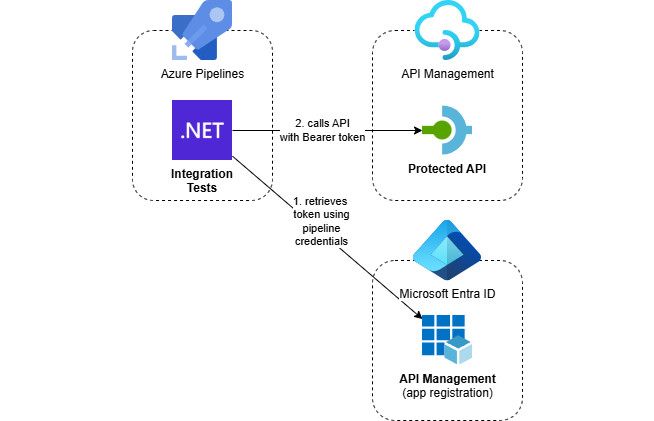
Learn how to execute automated integration tests against OAuth-protected APIs from Azure DevOps pipelines using federated credentials. This enables secure API testing without managing secrets in your CI/CD pipeline.
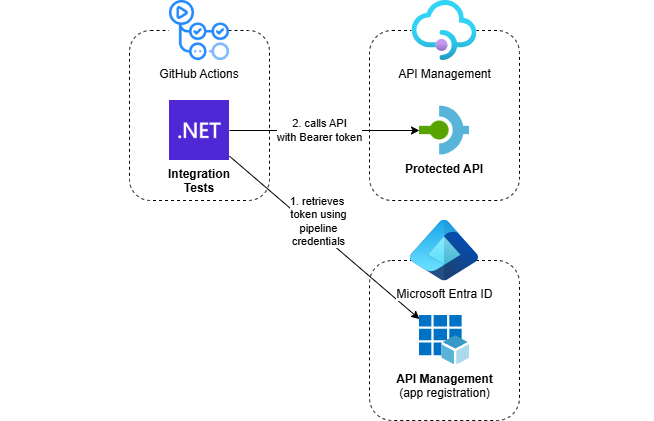
Learn how to execute automated integration tests against OAuth-protected APIs from GitHub Actions workflows using federated credentials. This enables secure API testing without managing secrets in your CI/CD pipeline.
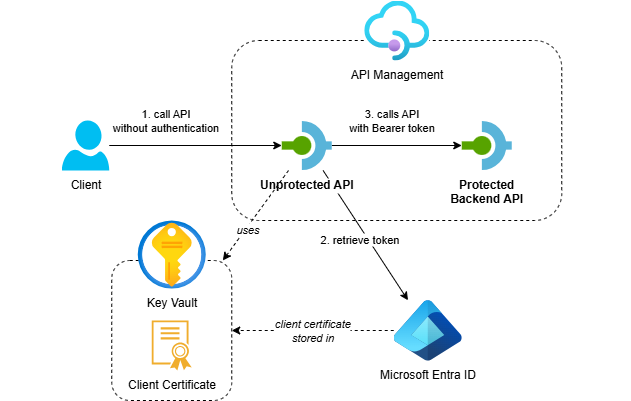
Learn how to implement certificate-based OAuth authentication in API Management using JWT assertions and the send-request policy. This approach provides stronger security than client secrets by proving possession of a private key without transmitting it.
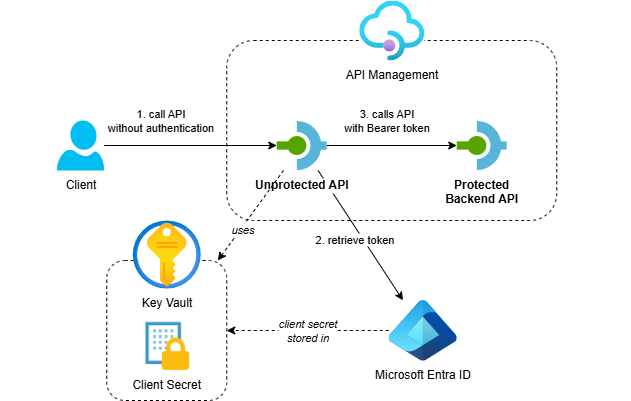
When API Management’s credential manager isn’t suitable for your OAuth scenarios, you can implement token handling directly using policies. In this post, I show how to call OAuth-protected backends using the send-request policy with Client Credentials Flow and a client secret stored in Key Vault.